Oahu is one of the most photographed islands on earth, but most visitors come home with the same shots — Waikiki from the beach, a shaka sign at Diamond Head, maybe a sea turtle if they got lucky. The truly extraordinary photos of this island require two things: knowing exactly where to be, and knowing when to be there.
This guide covers the best photo spots on Oahu from both the ground and the air — the sunrise hikes that deliver golden-hour magic, the underrated corners most tourists drive past, and the aerial perspectives that produce the kind of images people stop scrolling for. Whether you're shooting on an iPhone or hauling a full mirrorless kit, these are the locations and techniques that separate vacation snapshots from portfolio shots.
Ground-Level Photo Spots
Diamond Head at Sunrise
The gates open at 6am, and that's when you need to be there — not 6:30, not 7. The summit trail takes about 40 minutes, which puts you at the top right as the sun clears the horizon. Face east for the sunrise itself, then turn around for the real prize: the entire Waikiki skyline bathed in warm, directional light with long shadows cutting across the crater rim. Bring a wide-angle lens (16-35mm or equivalent). The sweeping scale of the crater against the city is what makes this shot. Reservations are required — book through the Hawaii DLNR site a few days in advance.
Lanikai Pillbox Hike
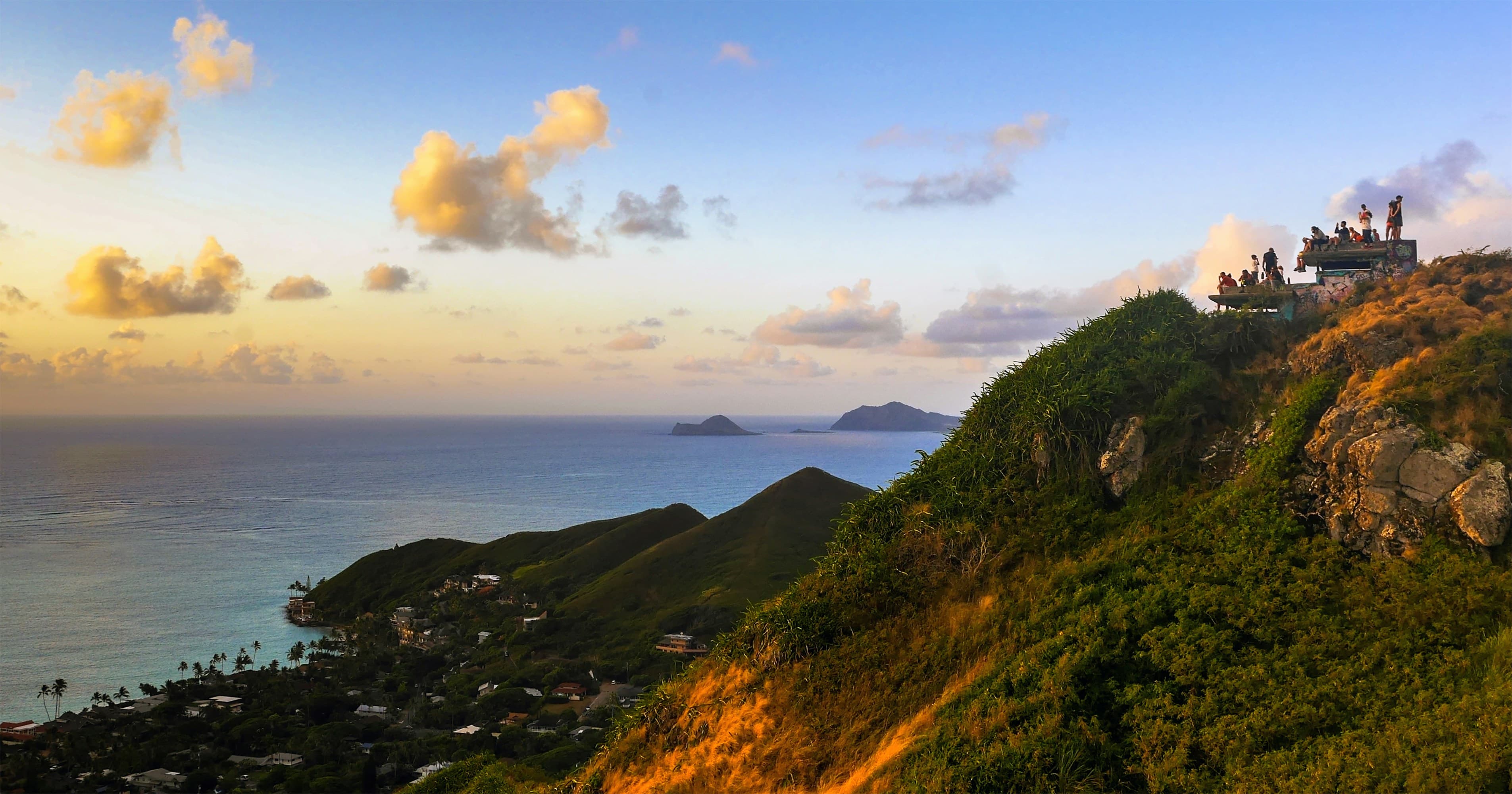
Short but steep — about 25 minutes to the first pillbox. The payoff is one of the most photographed views on the island: the twin Mokulua Islands framed by turquoise water, Lanikai Beach curving below, and the Windward Coast stretching north. Sunrise and sunset both work here, but sunrise gives you front-lit islands and that electric blue-green water color that flattens out by midday. The concrete pillbox bunkers themselves make strong foreground elements if you shoot low and wide.
Makapu'u Lighthouse Trail
A paved, accessible trail with one of the best coastal compositions on Oahu. The red-roofed lighthouse perched on volcanic rock with the Pacific stretching endlessly behind it — that's the classic shot, and it delivers every time. Morning light hits the eastern cliffs perfectly, warming the dark rock and separating the lighthouse from the deep blue water. In winter (December through March), you'll often spot humpback whales breaching offshore, which turns a landscape shoot into a wildlife opportunity. Bring a 70-200mm if you have one.
Haleiwa Town
This is Oahu's street photography paradise. Colorful murals on every other building, vintage surf shops with hand-painted signs, the iconic rainbow bridge (Anahulu Bridge) arching over the river. Golden hour through Haleiwa is warm and cinematic — the low sun catches the painted facades and throws long shadows across the sidewalks. Walk the main drag slowly. The best shots here aren't planned — they're the surfer loading a board onto a rusted truck, the shave ice dripping onto a kid's hand, the hand-lettered sign that's been fading in the sun for twenty years.
Aerial Photography — A Different Perspective Entirely
Some of Oahu's most striking images can only be captured from the air. The fractal patterns of the reef shelf. Volcanic ridgelines that look like the spine of a sleeping giant. The North Shore surf curling in perfect lines that you'd never see from the beach. Aerial photography on Oahu isn't just a novelty — for serious photographers, it's a completely different category of image.
Helicopter — Wide Coverage, Higher Altitude
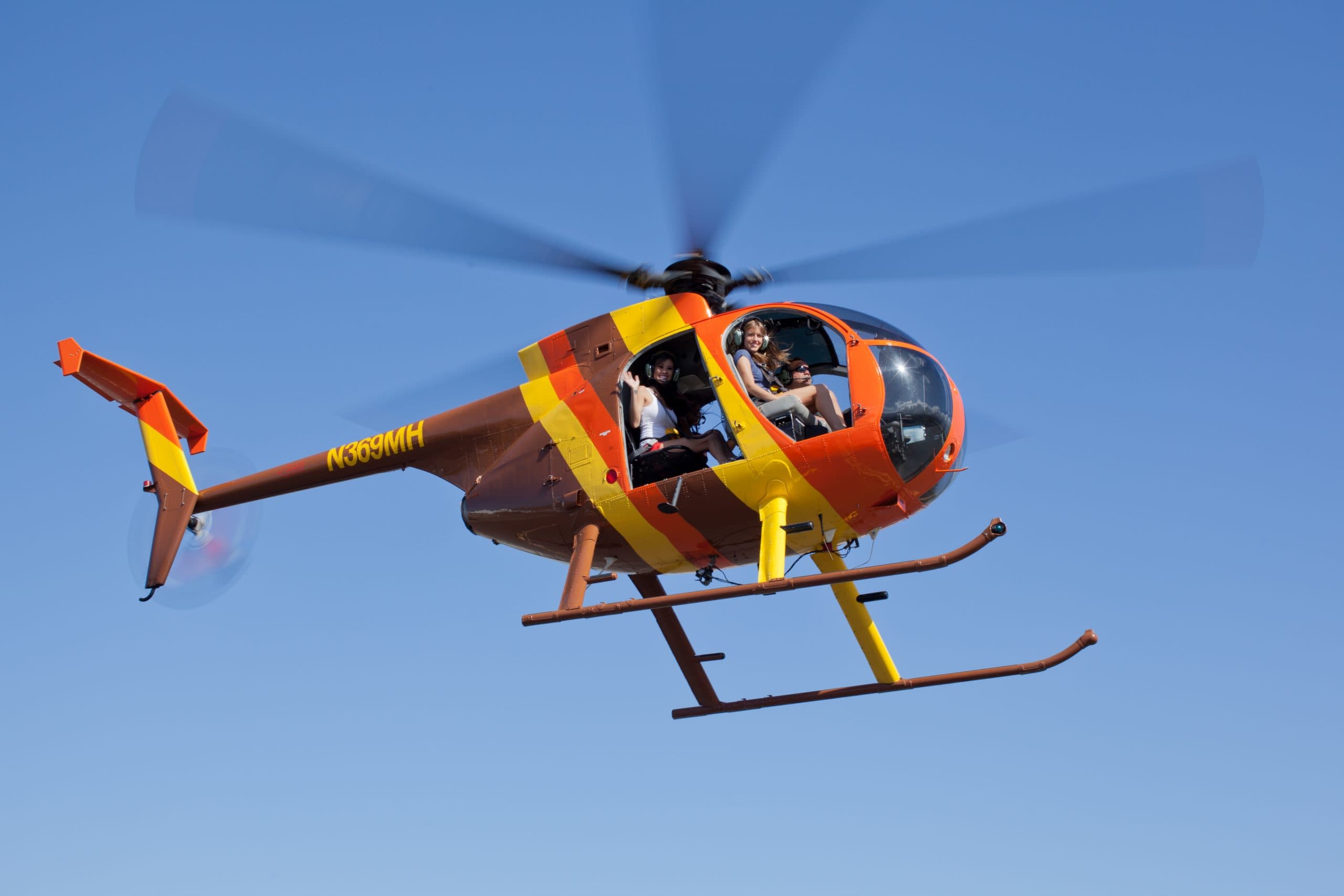
Doors-off helicopter flights remove the glass entirely, which eliminates reflections and color casts that ruin aerial shots through windows. At 2,000+ feet, you're getting sweeping panoramic landscapes — Diamond Head crater from directly above, the full arc of Waikiki Beach, Pearl Harbor in its entirety. The Hughes 500D banks into turns that put the landscape right below your lens. Best for: wide-angle coastline compositions, dramatic scale shots, and any image where you want to show the sheer geography of the island. Camera tip: shoot at 1/1000s or faster to freeze rotor vibration. Anything slower and you'll get micro-blur that kills sharpness.
Gyroplane — Lower, Closer, No Obstructions Ever
This is where aerial photography on Oahu gets genuinely special. A gyroplane flies at 1,000 feet — half the altitude of a helicopter — and the difference in detail is extraordinary. Individual reef formations become visible. You can see the shadows of sea turtles gliding over sand channels. The curl and texture of each wave becomes a composition in itself. The cockpit is completely open — no windows, no reflections, no cabin walls, ever. There's nothing between your lens and the subject.
One passenger per flight means nobody is blocking your angles or bumping your elbow mid-exposure. If you spot something — a pod of dolphins, a reef formation catching the light just right — the pilot circles back for another pass. Try getting that in a helicopter with five other passengers and a fixed route.
Camera tips for gyroplane: Wide-angle works beautifully here (14-24mm range) because you're already close to the subject — you don't need telephoto reach the way you do from a helicopter. Keep your shutter speed at 1/1000s or faster for sharp results. The open cockpit means wind on the lens, so use a UV or clear protective filter — it protects the front element and is much cheaper to replace than glass. Secure your camera strap. The wind is real.
Underrated Spots Most Tourists Miss
Kualoa Ranch Viewpoint
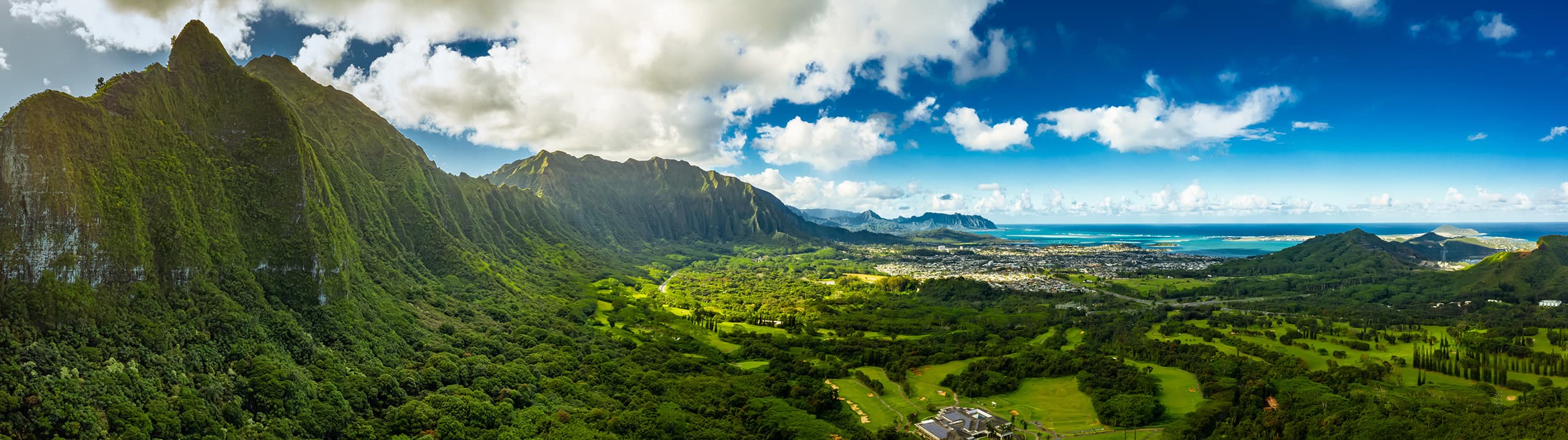
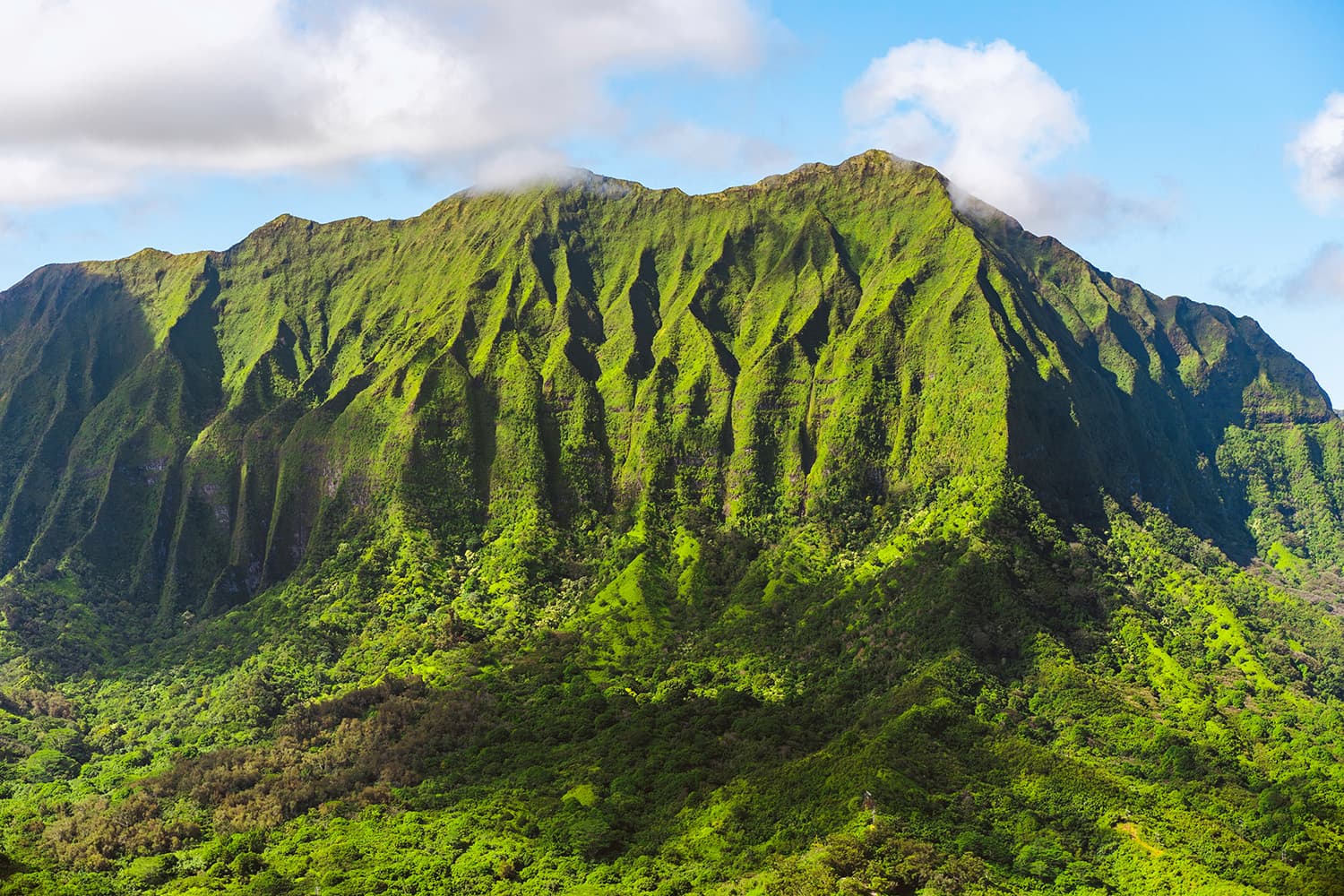
The Jurassic Park mountains. You've seen them in a dozen movies, but standing at the base of Ka'a'awa Valley and looking up at those dramatic green ridgelines — especially after a rain when the clouds are caught in the peaks — is something else entirely. You don't need to book a ranch tour for this shot. Pull over along Kamehameha Highway near the 49-mile marker and shoot from the roadside. The late-afternoon light rakes across the ridges and separates every fold in the mountain. A telephoto (70-200mm) compresses the layers beautifully.
Tantalus Drive Lookout
Puu Ualakaa State Park, at the top of Tantalus Drive, overlooks all of Honolulu with Diamond Head anchoring the right side of the frame. Far less crowded than the Diamond Head summit itself, and the elevated angle gives you a layered composition — city, then ocean, then sky. Bring a telephoto for compression shots that stack the downtown highrises against the Ko'olau Mountains behind them. Sunset is the move here: the city lights start flickering on while the sky is still warm, and you get about 20 minutes of blue-hour magic.
Yokohama Bay at Sunset
The literal end of the road on the Waianae coast. Drive past Makaha, past the last gas station, past where most rental cars turn around. Yokohama Bay is raw, volcanic, and empty. The sunsets here are dramatic — the sun drops straight into the ocean with no islands, no boats, nothing on the horizon. Dark volcanic rock in the foreground, an empty beach, and a sky that goes from gold to magenta. It feels like a different island entirely. No crowds, no Instagram influencers. Just you and the light.
Quick Camera Tips for Oahu
Golden hour timing: Roughly 6-7am and 5:30-6:30pm, varying by season. The window is shorter than you think — scout your spot in advance and be set up before the light arrives, not chasing it.
Sunscreen on your hands will destroy your shots. Reef-safe sunscreen is great for your skin, terrible for lens coatings. Apply to your face and body, then wipe your hands thoroughly or wear thin gloves when handling your camera. One greasy thumbprint on the front element and every image gets a soft haze.
Waterproof cases for snorkeling: Shark's Cove on the North Shore has some of the clearest water on the island. A waterproof housing or even a good waterproof phone pouch opens up an entirely different category of Oahu photography — reef fish, coral formations, the way light filters through the surface from below.
Drone restrictions are real. Many areas on Oahu require FAA permits, fall inside no-fly zones (near airports, military bases, national parks), or are simply banned by county ordinance. Getting caught flying illegally means fines up to $20,000. Aerial tours — helicopter or gyroplane — are the easiest and most legal way to get those overhead perspectives without the regulatory headache.
Polarizing filter: A circular polarizer is the single most useful filter for Oahu ground photography. It cuts glare on water, deepens sky blues, and makes the turquoise reef colors pop in a way that no amount of post-processing can replicate. Essential for any coastal or beach shooting.
Oahu is one of the most photogenic places on earth. The ground-level spots are iconic for a reason — Diamond Head at sunrise, the Pillbox view over Lanikai, the raw beauty of the Waianae coast. If you want the shots that stop people mid-scroll — the ones that look like they were taken from a movie set — get in the air. The reef patterns, the volcanic ridgelines, the surf from directly above. Those are the images that separate a good Oahu album from an unforgettable one.