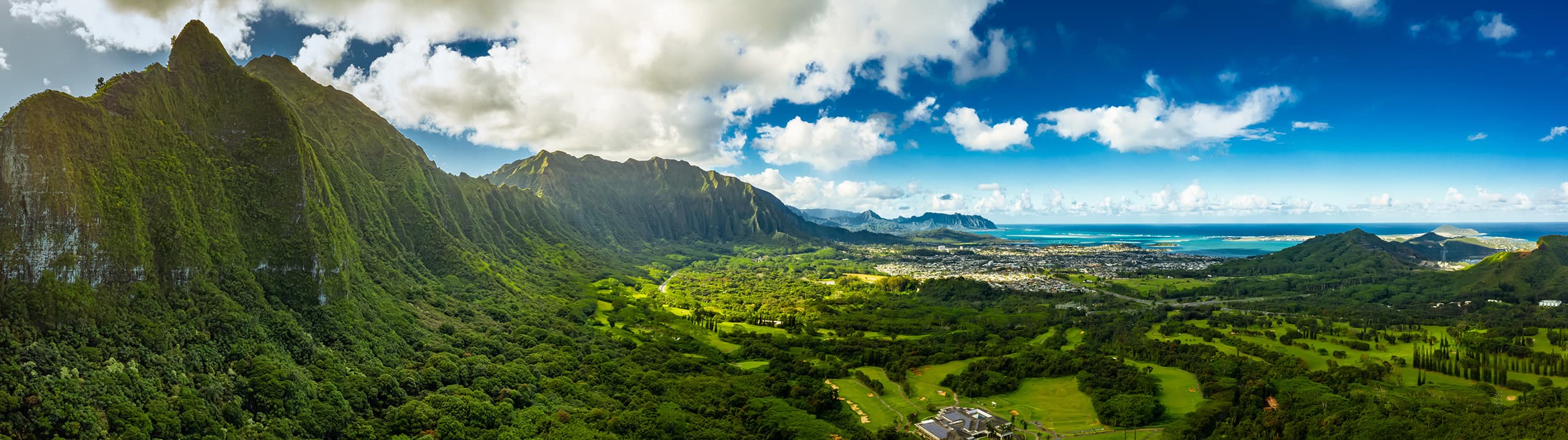
So you're going to Oahu. Maybe it's a honeymoon, maybe you finally cashed in those miles, maybe you just pointed at a map and said “there.” Doesn't matter. What matters is that you don't waste your first trip doing the same things every guidebook tells you to do in the same order they tell you to do them.
Oahu is a small island with a ridiculous amount packed into it. You can drive coast to coast in 60 minutes, but the North Shore and Waikiki feel like different planets. The key to a great first visit is knowing what's actually worth your time — and what you can skip.
This is the guide we wish someone had handed us before our first trip. No filler, no sponsored picks. Just the stuff that actually makes the difference between a good trip and one you talk about for years.
Where to Stay — Picking the Right Area
This is the single biggest decision of your trip, and most people default to Waikiki without thinking about it. That's fine — but it's not the only option, and where you stay shapes everything else.
Waikiki is the move for most first-timers. It's walkable, the beach is right there, restaurants and shops are everywhere, and you have the widest range of hotels from budget to luxury. It's crowded, yes — but there's a reason everyone stays here. You can walk out of your hotel, grab a coffee, be on the sand in five minutes, and figure out your day from there.
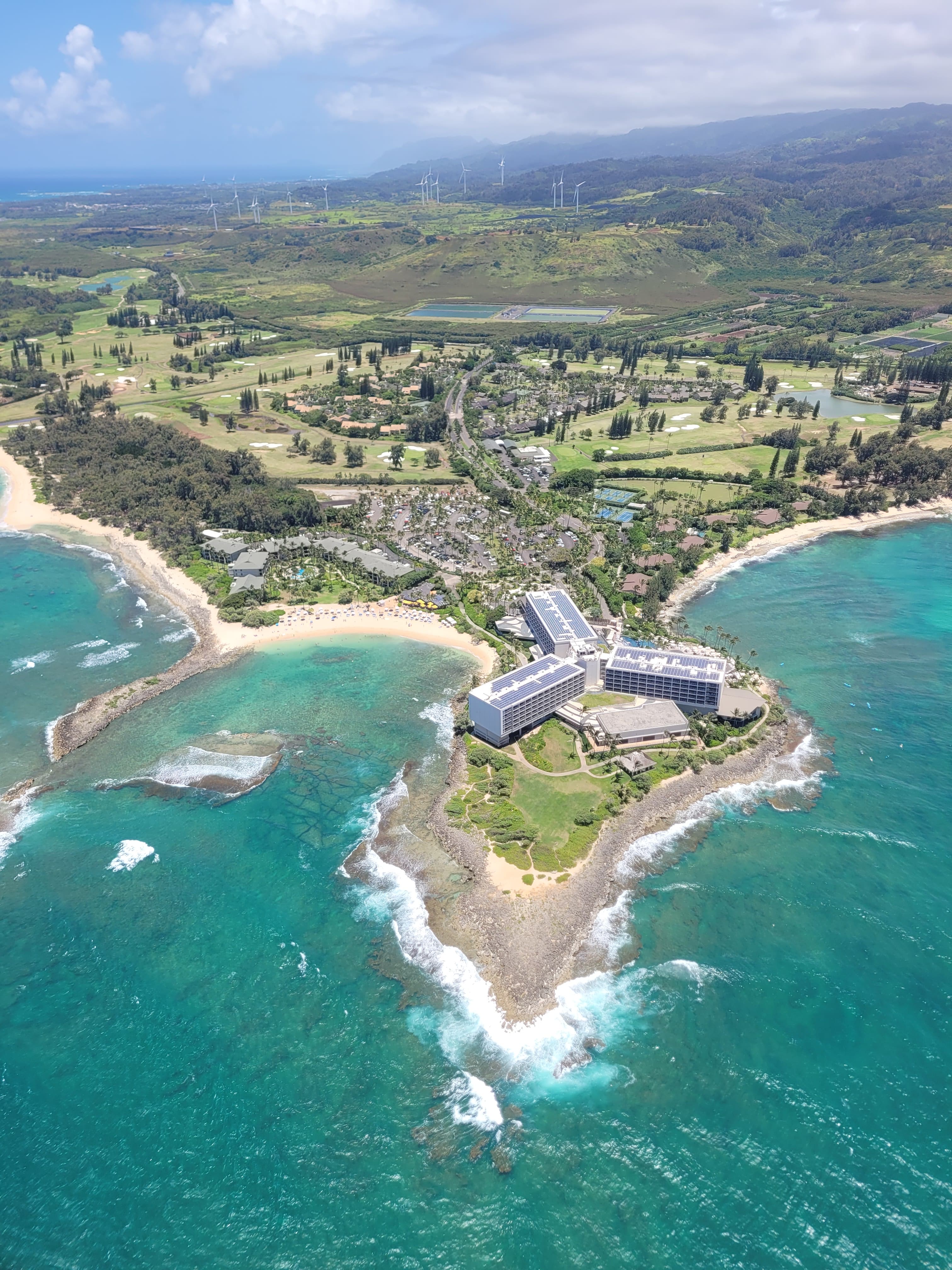
North Shore is for people who want to slow down. The vibe is completely different — surf culture, food trucks, small-town Haleiwa, and beaches that make Waikiki look like a swimming pool. If you're a couple or you just want the real Hawaii feel, staying up here for at least a few nights is worth it. Turtle Bay Resort is the main option, but vacation rentals open up more choices.
Ko Olina is the family play. The lagoons are calm and protected, the resorts (Aulani, Four Seasons) are built for kids, and it feels more contained. If you have little ones and want predictably calm water, this is your spot.
Downtown Honolulu— skip it. It's an office district. Good restaurants, sure, but you're not on vacation to look at parking garages.
Getting Around the Island
Rent a car. That's the answer. Public transit exists (TheBus is actually decent), but it's slow and won't get you to half the places worth visiting. Oahu is small enough that nothing is more than an hour away, and a rental gives you the freedom to chase a sunset or hit a beach on a whim.
One thing nobody warns you about: parking in Waikiki is brutal. Hotels charge $30–$50 per night just for a spot. If you're spending most of your trip in Waikiki, consider renting a car only for the days you plan to explore the rest of the island. Uber and Lyft work well for getting around the Waikiki–Honolulu corridor.
One more tip: the drive from Waikiki to the North Shore takes about an hour without traffic, but H-1 westbound on Friday afternoons is a nightmare. Plan around it.
The Beaches You Need to See
Waikiki Beach— Yes, it's crowded. Yes, the sand is partially imported. Go anyway. Walk it once, take the photo with Diamond Head in the background, get it out of your system. Then move on to the beaches that'll actually blow your mind.
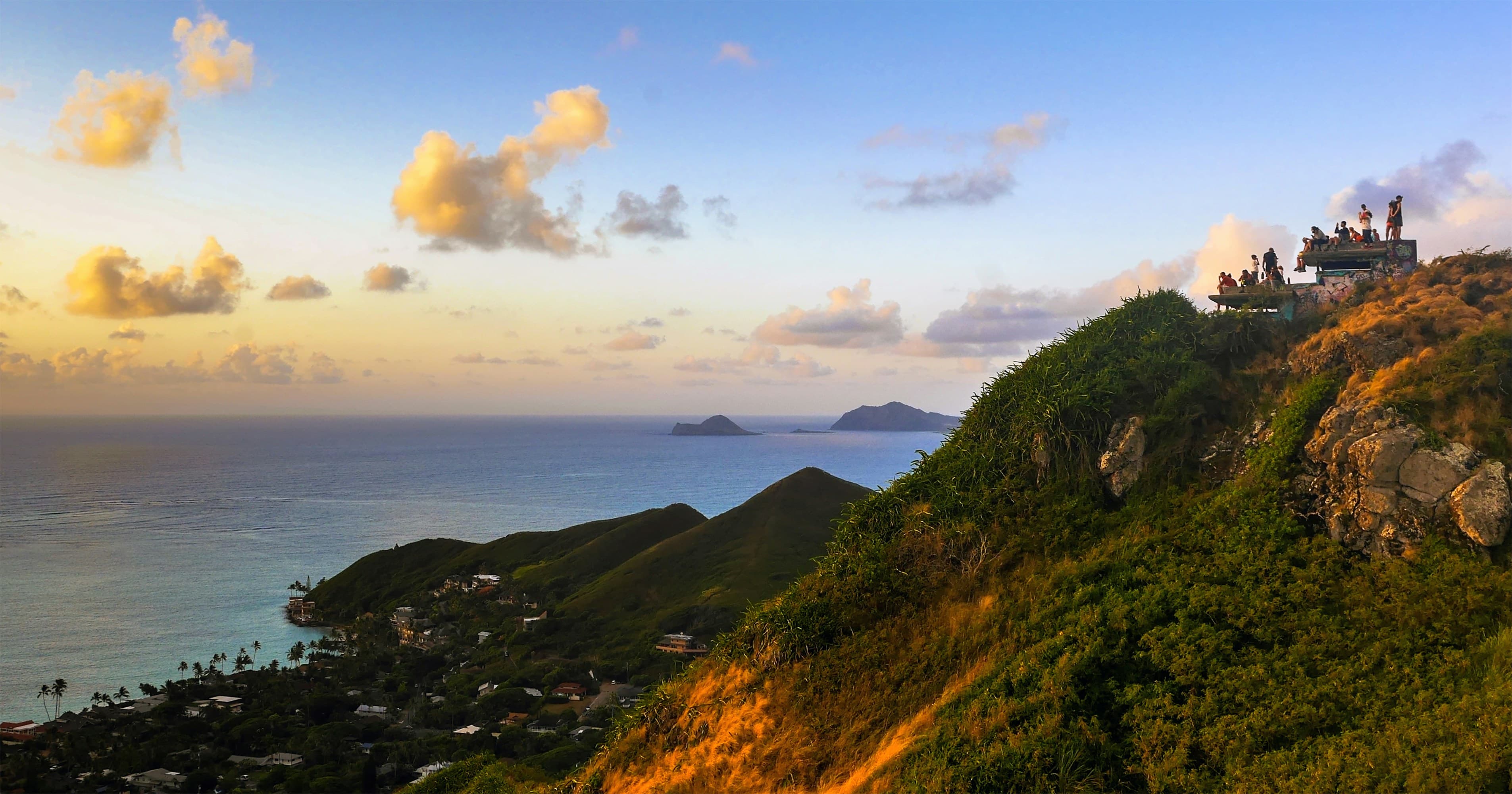
Lanikai Beach— This is the one. Turquoise water so clear it looks fake, the Mokulua Islands sitting just offshore, and a fraction of Waikiki's crowds. Park in the Kailua neighborhood and walk in. There's no parking lot at the beach itself — that's part of why it stays so nice.
North Shore beaches— Sunset Beach and Pipeline are legendary in winter for massive surf (watch, don't swim). In summer, the water calms down and Shark's Cove becomes one of the best snorkeling spots on the island. The beach at Laniakea is where you'll see sea turtles resting on the sand — look, but keep your distance. It's the law.
Hanauma Bay— The best snorkeling on Oahu, no question. You need a reservation (book online in advance), and it's closed on Mondays and Tuesdays. Go early — by 10am it's packed and the parking lot fills up. The reef is incredible and the fish are fearless.
Ko Olina Lagoons — Four crescent-shaped man-made lagoons with calm, protected water. Free to access, perfect for families, and the sunsets here are ridiculous.
Must-Do Experiences
Hike Diamond Head. Go at sunrise. Seriously — by 9am it's a conga line in a sauna. The hike itself is short (about 40 minutes up), and the view from the summit is the postcard shot of Waikiki and the coastline. Reservations are required now, so book ahead.
Visit Pearl Harbor. The USS Arizona Memorial is free, but tickets sell out fast — book them online as soon as they're released (60 days in advance). Even if you're not a history person, standing over the Arizona and seeing oil still rising from the wreck 80+ years later hits different. Allow at least half a day.
Explore Haleiwa. The little surf town on the North Shore with art galleries, surf shops, shave ice spots, and food trucks. It's the opposite of Waikiki in the best way. Walk around, grab a coffee at the Waialua Coffee Company, and soak it in.
Eat a plate lunch. This is Hawaii's essential meal — rice, mac salad, and a protein (usually kalua pork, chicken katsu, or loco moco). Rainbow Drive-In in Kapahulu is the classic. L&L Hawaiian Barbecue is everywhere and consistently good. Don't overthink it — just eat one.
Try shave ice. Not a snow cone — shave ice is finely shaved and the syrup soaks through every layer. Matsumoto's on the North Shore is the famous one (expect a line). Uncle Clay's House of Pure Aloha in Aina Haina uses all-natural syrups and is worth the drive.
The One Splurge That's Worth It
Here's something nobody tells you until after their trip: the best way to understand Oahu is from the air. You can spend a week driving to beaches and hiking trails and still not grasp how the island fits together. Thirty minutes at altitude fixes that. The reef, the mountain ridgelines, the way the North Shore wraps around to meet the leeward coast — it all clicks.
If you're going to spend money on one experience beyond the basics, make it an aerial tour. You'll understand Oahu in 30 minutes in a way that a week on the ground can't match.
You have two great options:
Helicopter tour: A doors-off helicopter flight covers every major landmark in about 50 minutes — Pearl Harbor, Diamond Head, the Ko'olau Mountains, the North Shore coastline. The doors are removed, so there's nothing between you and the view. From $380 per person. It's the classic Oahu aerial experience for a reason: the coverage is unbeatable.
Gyroplane flight: A gyroplane discovery flight is a completely different animal. Open cockpit, 1,000 feet, one passenger, wind on your face. You fly the North Shore coastline at an altitude where you can see individual reef formations and sea turtles below. It's less about checking off landmarks and more about the raw feeling of flight. From $249. Most visitors have never heard of it — which is part of why the people who try it tend to call it the highlight of their entire trip.
Both are worth it. The helicopter gives you the full-island overview. The gyroplane gives you something you've genuinely never experienced before — at a lower price point. If you can only pick one and you want something unique, the gyroplane is hard to beat.
What to Pack
You don't need much, but a few things matter more than you'd think:
Reef-safe sunscreen. This isn't optional — Hawaii law bans sunscreens containing oxybenzone and octinoxate because they damage coral reefs. Buy reef-safe before you go (it's cheaper on the mainland) or pick it up at any ABC Store on the island. Apply it constantly. The sun here is no joke, even on overcast days.
Comfortable walking shoes. You'll hike, you'll walk on uneven lava rock, you'll scramble over tide pools. Flip-flops are great for the beach but bring real shoes too.
Light layers. The trade winds are real, and evenings can be cooler than you expect — especially on the North Shore or after sunset on the water. A light hoodie or windbreaker covers you.
Waterproof phone case. You will be near water every single day. A $15 waterproof pouch saves you from a $1,200 mistake. Get one with a lanyard.
Cash. Most places take cards, but food trucks — the best ones, anyway — sometimes don't. Keep $40–$60 in cash and you're covered.
Mistakes to Avoid
Don't try to do everything in one day. Pearl Harbor in the morning, Diamond Head at noon, North Shore in the afternoon — this sounds efficient on paper and miserable in practice. Oahu rewards you for slowing down. Pick one or two things per day and actually enjoy them.
Don't skip the North Shore. A shocking number of first-time visitors never leave the Waikiki– Honolulu corridor. The North Shore is where Oahu stops feeling like a resort and starts feeling like an island. Drive up, spend a day, eat at a food truck, watch the surfers. You'll thank us. For more on what to do up there, check our North Shore guide.
Don't touch the wildlife. Sea turtles and monk seals rest on beaches all over the island. They're protected by federal law. Touching, harassing, or getting too close (within 10 feet) can get you fined up to $50,000. Admire from a distance. Get your zoom lens out. Leave them alone.
Don't underestimate the sun. Cloudy days on Oahu will still burn you. The UV index here is routinely 11+ (extreme). Reapply sunscreen every two hours, especially if you're in the water.
Don't book every hour. Leave room in your schedule. Some of the best moments on Oahu are unplanned — a beach you stumble onto, a food truck someone at your hotel mentions, a sunset you weren't expecting. Over-scheduling kills the island vibe.
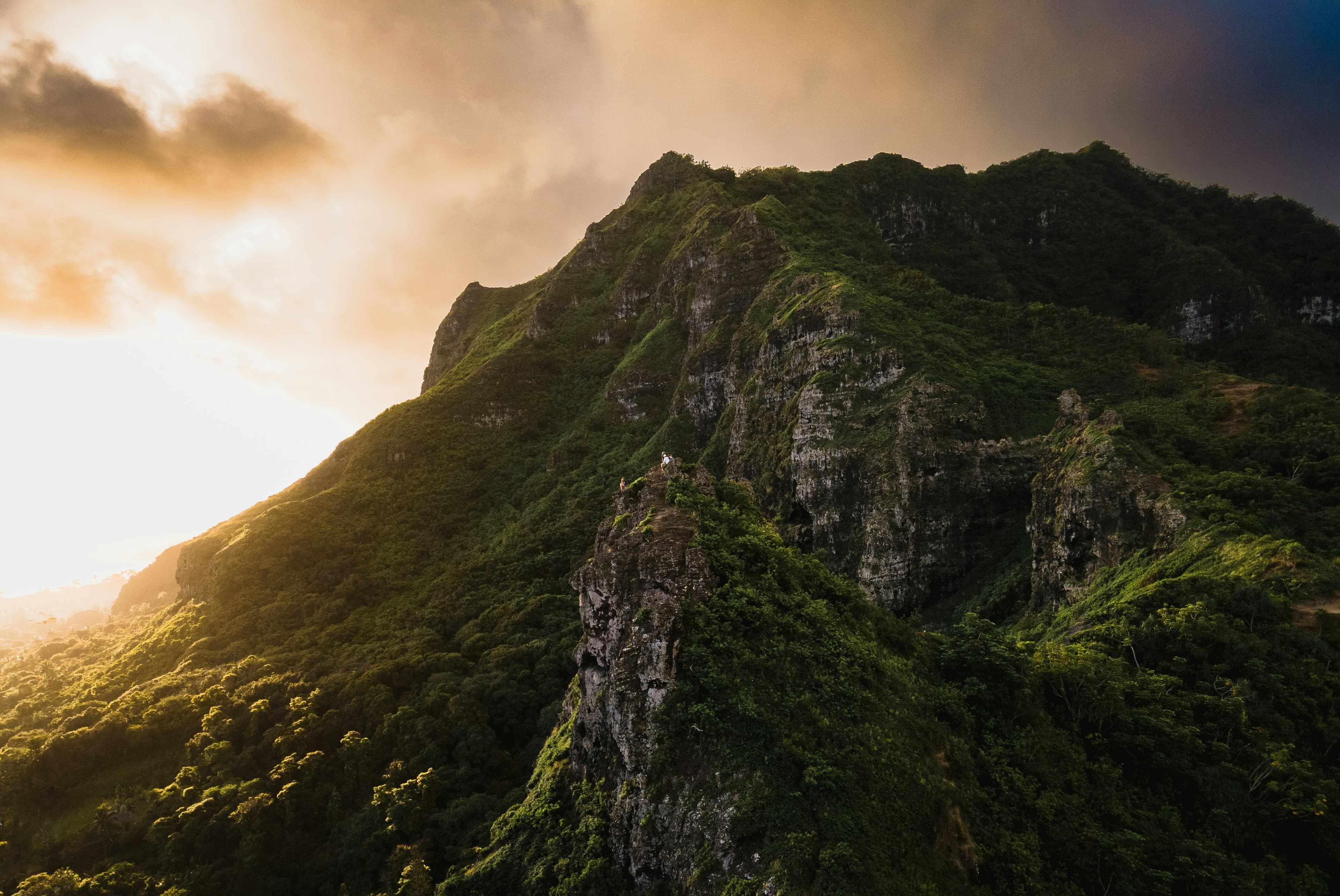
Oahu rewards you for going beyond Waikiki. The North Shore, the hikes, the aerial views — that's where the trip goes from good to unforgettable. Stay curious, leave room in your schedule, and don't be afraid to chase whatever catches your eye. The island is small enough that you can't really get lost, and almost every wrong turn leads somewhere worth seeing.